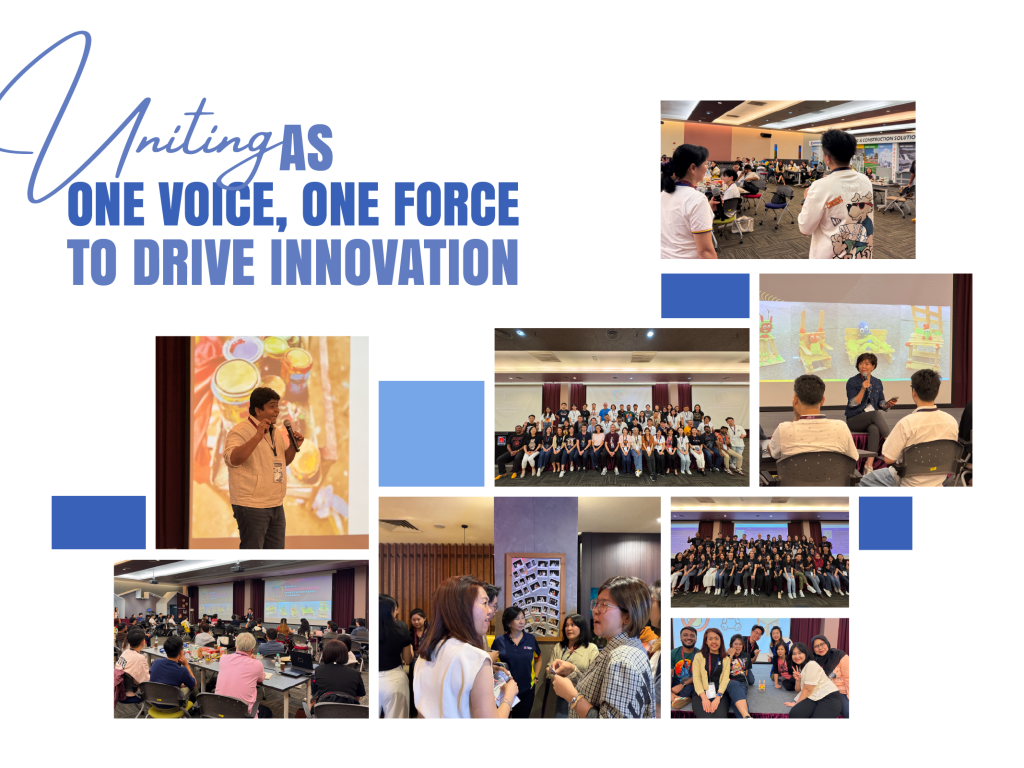
At Nippon Paint Group, our “Inspired by You” philosophy drives innovation. To reinforce this, we recently hosted a 2.5-day workshop for over 50 Marketing and R&D employees from 9 countries to strengthen vital cross-functional collaboration. To truly deliver on this promise, innovation cannot be a siloed process. It requires a genuine, unified partnership between our technical experts and our market-facing teams.
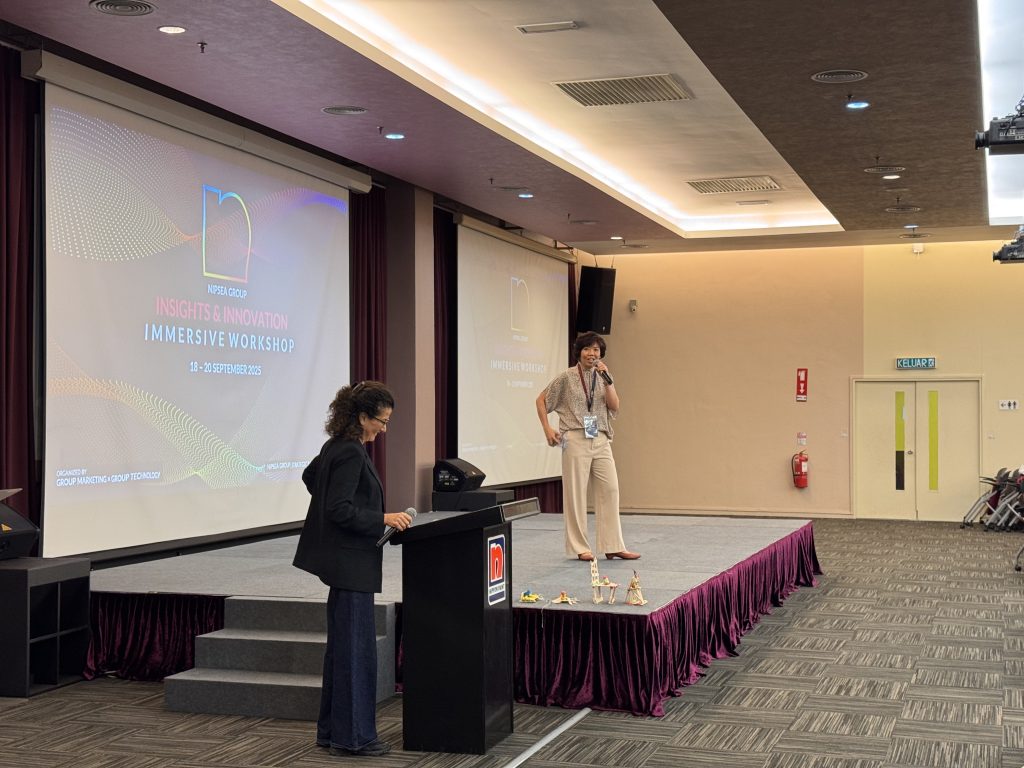
The workshop focused on ensuring all innovation is guided by the Desirability, Feasibility, and Viability (DFV) framework , which balances customer needs with technical and business realities. A key lesson was that successful innovation requires both R&D and Marketing to work together; otherwise, the “chair” (product) R&D builds will not fit the “customer” Marketing understands. By aligning on DFV and Maximising Shareholder Value (MSV) , we ensure our investments deliver targeted, valuable solutions.
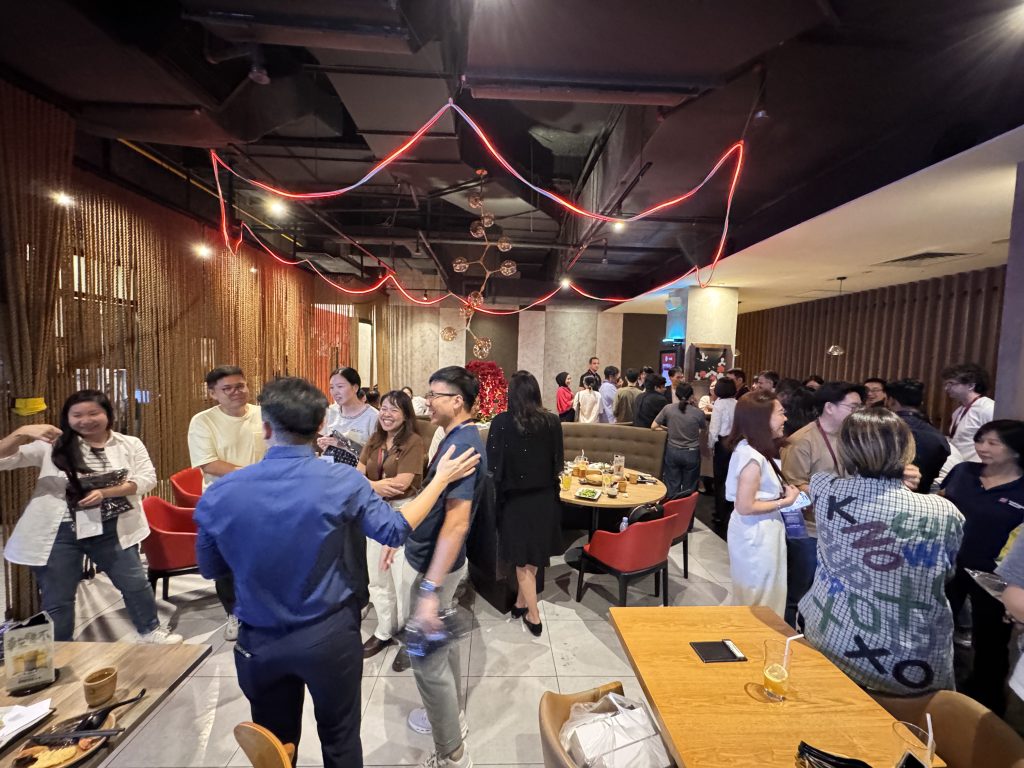 Colleagues strengthening bonds and exchanging perspectives during the networking session.
Experience the energy and collaboration that unfolded over these intensive 2.5 days. Watch the full video to see how we are uniting as one force to drive innovation.
Insights from Our Participants
Curious about the impact of the session? We gathered thoughts from our colleagues who generously shared their valuable perspectives and learnings from the 2.5-day journey. Here is what they had to say about bridging the gap between Marketing and R&D.

Lee Wen Hao stated that his biggest takeaway is that true innovation begins with Desirability (Customer empathy)—understanding what end-users, painters, and dealers actually experience—and that technical excellence must be guided by clear insight into why the solution matters to them. Collaborating with Marketing gave him a clearer understanding of how positioning, timing, and communication influence product success just as much as formulation quality. He gained the most insight into Desirability. Moving forward, he plans to work with the marketing team to define clearer Stage 0 briefs based on Voice of Customer data and real field observations, especially around pain points like dirt streak mark resistance, chalking, and long-term colour retention.
Mai Nguyen highlighted that the most valuable lesson was gaining stronger confidence and precision in communicating value to customers by understanding the science and rationale behind the products. The workshop helped her realise the importance of starting product innovation from the right foundation: understanding customer needs first, then aligning them with technical capabilities. She gained the most insight into Feasibility from R&D colleagues. This collaboration encourages her to act as a bridge between customers and R&D—feeding real market insights back to the technical team and translating technical language into customer-friendly messages.
What stood out the most for Hiroyoshi Ohira was the importance of multifaceted perspectives. He reaffirmed that a marketer’s mission is not just customer understanding, but also providing continuous, accurate input to R&D. He gained the most insight into Desirability from his counterpart’s perspective. Moving forward, he intends to increase the common language between departments to reduce internal silos , a crucial factor for conveying a product’s true appeal and all the value propositions the company delivers.
Özmert Baysaling’s biggest takeaway was that while his focus was on desirability and viability, he began to view Feasibility as an integral part of the whole after the workshop. Working with R&D counterparts helped them better understand each other’s worlds and realise that when they speak a common language, processes move much more accurately and efficiently. He noted that while the collaborative sessions were challenging initially, developing a common language allowed them to achieve results much faster and more effectively by the second day . He gained the most insight into Feasibility. Going forward, he will work on improving his methods to ensure a shared perspective with his teammates under the pillars of desirability, feasibility, and viability.
Koichi Sato’s key insight was the necessity of adopting a holistic perspective to grasp customers’ true Desirability. He highlighted that the technical side often risks losing sight of the customer’s true needs, making the mindset of “We must think big, and think beyond product” crucial. He gained the most insight into Desirability , realising that the same Voice of Customer (VOC) can be viewed and interpreted differently. Moving forward, he will ensure both teams share a thorough understanding of each other’s activities and perspectives , enabling more effective and aligned efforts.
Aravind Sudarsan J found that the workshop made the bridge between customer insights and technical possibilities real and actionable. He was particularly struck by how deeply the workshop was rooted in their own ecosystem, with internal trainers who truly understand the dual B2B and B2C nature of their business . He gained the most insight into Feasibility , now seeing it not as a limitation, but as a creative space within the DFV framework. This collaboration will redefine how they connect market realities with innovation by creating a stronger feedback loop , including setting up a monthly R&D and Marketing Insights Meet to consolidate learning across the ecosystem.
The workshop ensures every idea we bring to market is not just innovative but deeply human, built from shared purpose, real insight, and a genuine understanding of the people we serve.